Smart Safety Helmet for Delivery Riders
Cyclist, Designer & Researcher
To address the distraction caused by delivery riders repeatedly checking their phones, I independently designed and built a helmet-integrated heads-up vision-assistance system, refining it through successive prototypes.
- Role
- Sole designer & builder
- Timeline
- Mar 2024 – Oct 2025
- Status
- Patent pending
- Stack
- ESP32 · PCB design · IMU · 3D printing · Micro-display
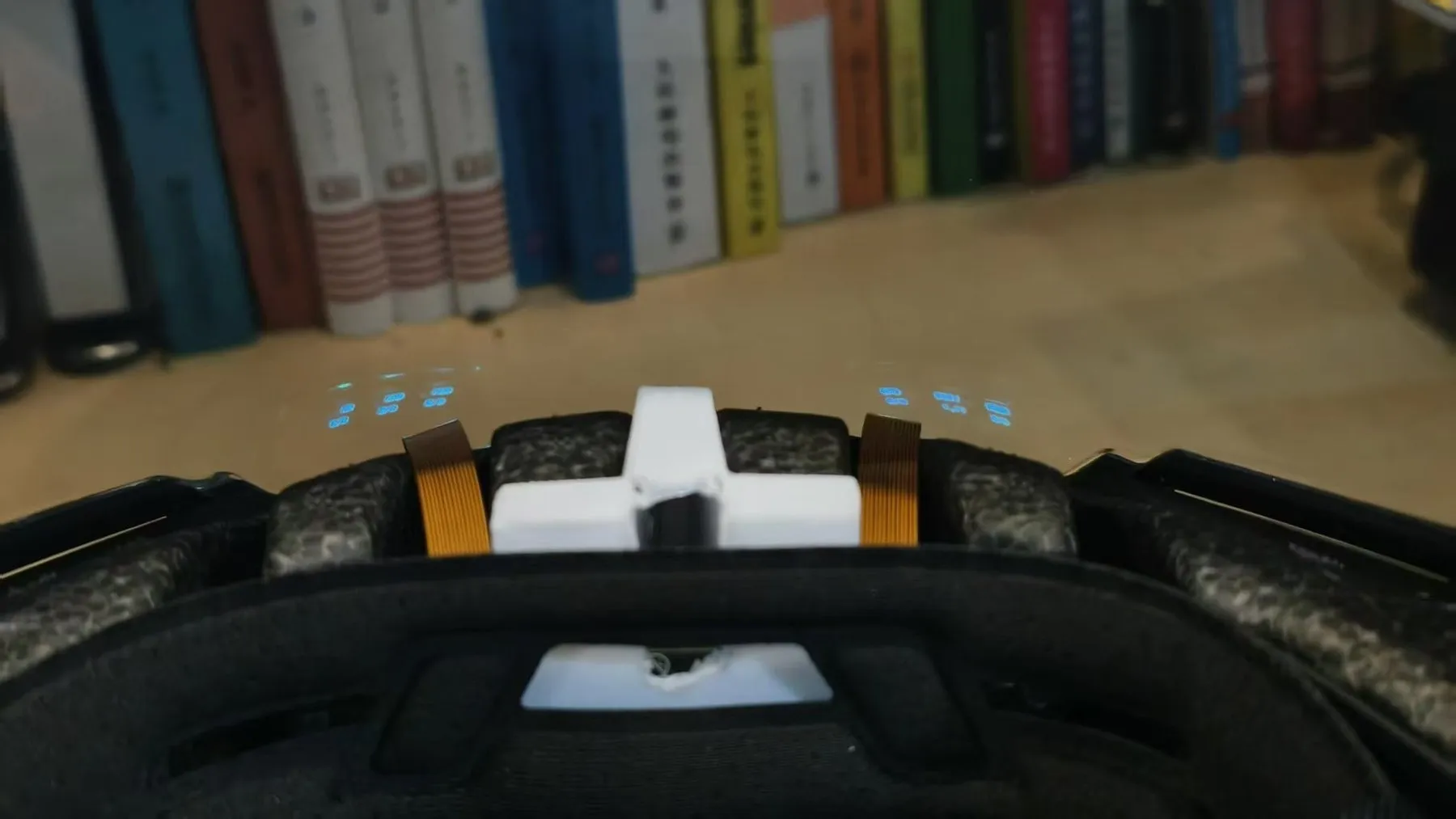
Starting from the road
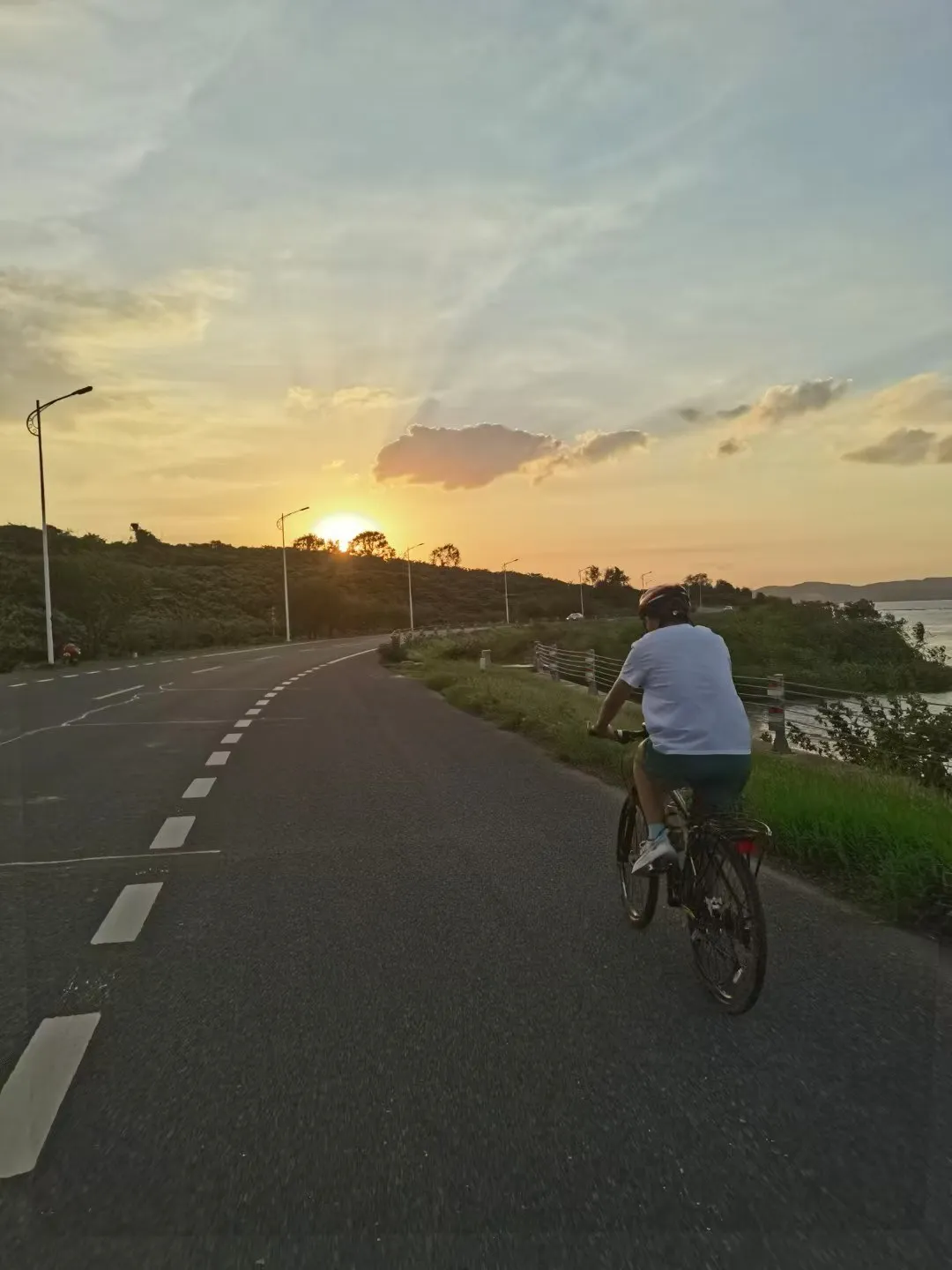
As a cyclist, I noticed how often delivery riders glance down at phones mounted on their handlebars. I began with field research — observing riders in real delivery contexts — which confirmed that looking down for navigation, orders and notifications was the dominant source of riding distraction.
Three engineering goals
- 01
Keep information in view
Speed, posture and battery should sit at the edge of the rider’s field of vision — never in a pocket or below the handlebars.
- 02
Alert without distracting
Warnings must never compete with the rider’s control of the vehicle.
- 03
Keep the helmet a helmet
Nothing may weaken the protective structure of the shell.
The build
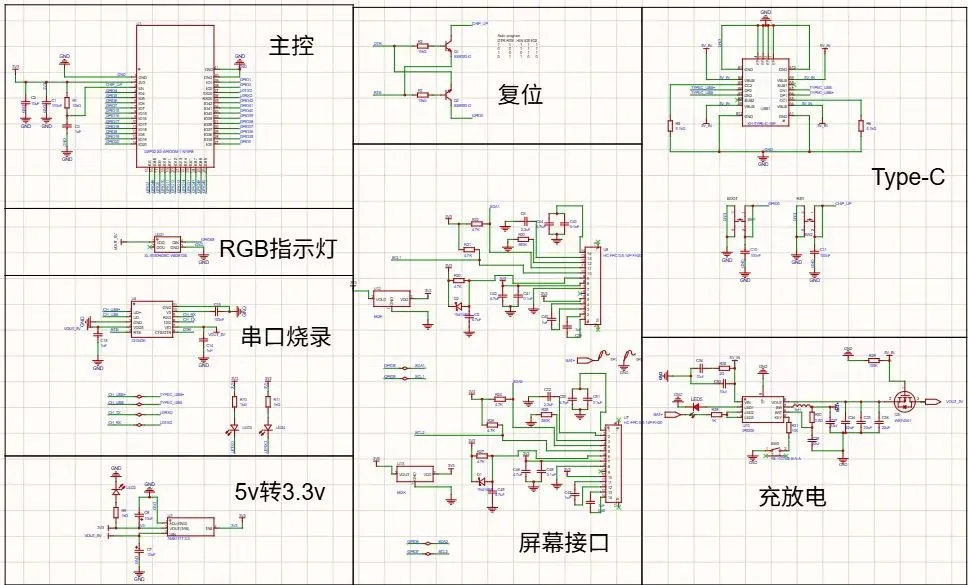
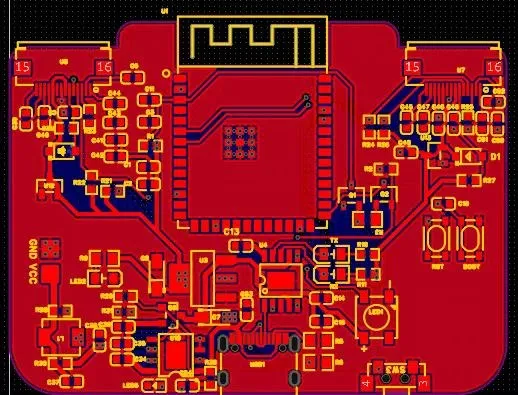
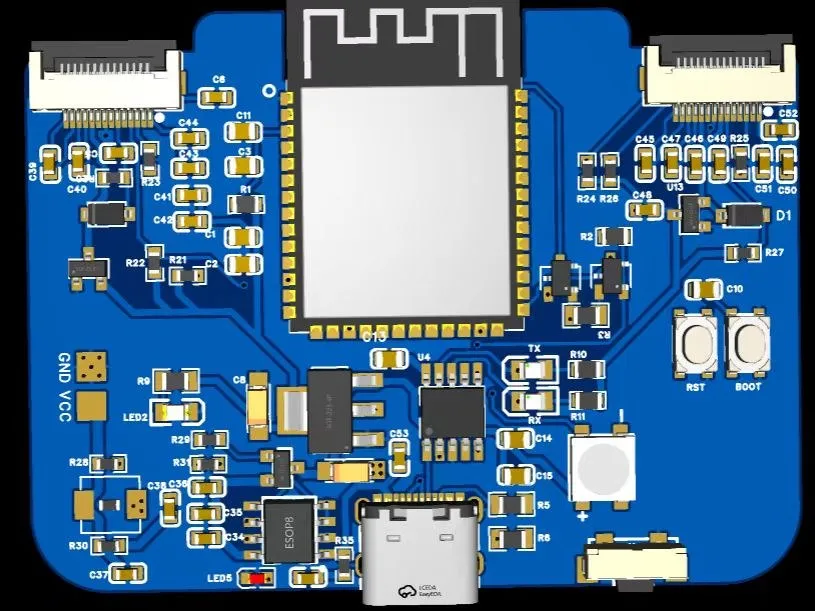
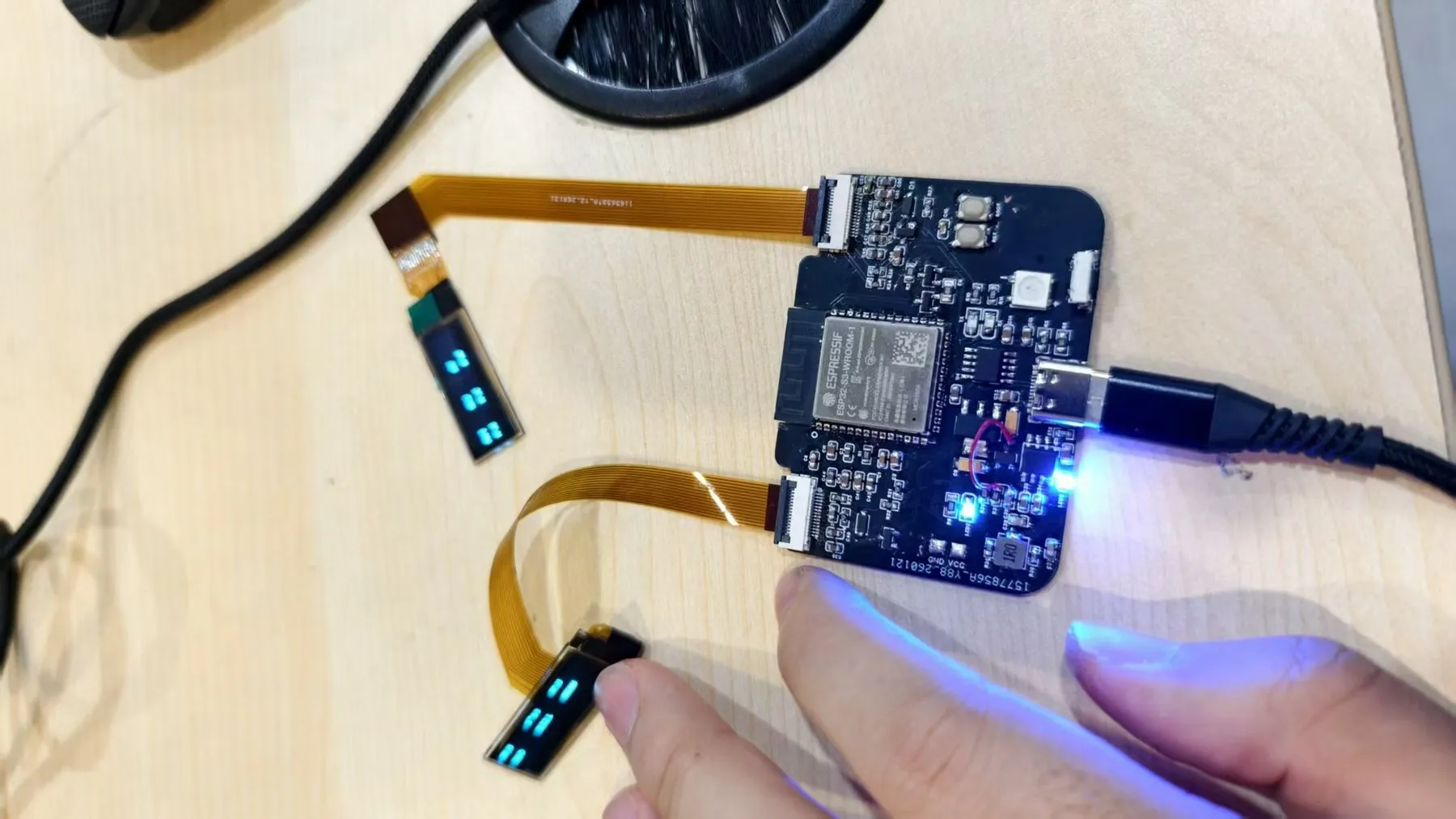
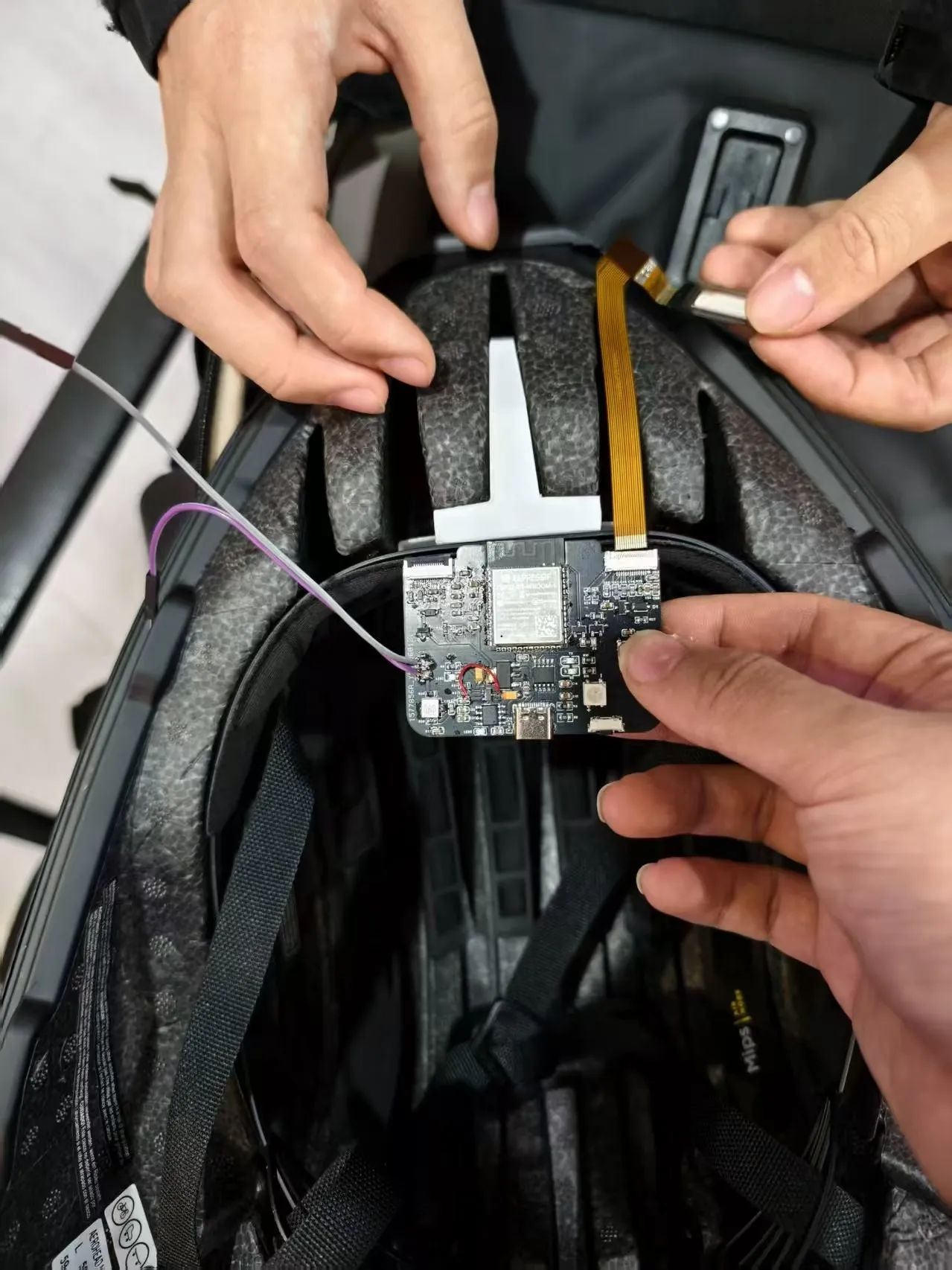
- Schematic design, PCB layout and fabrication around an ESP32 with two display connectors, USB-C charging and serial programming.
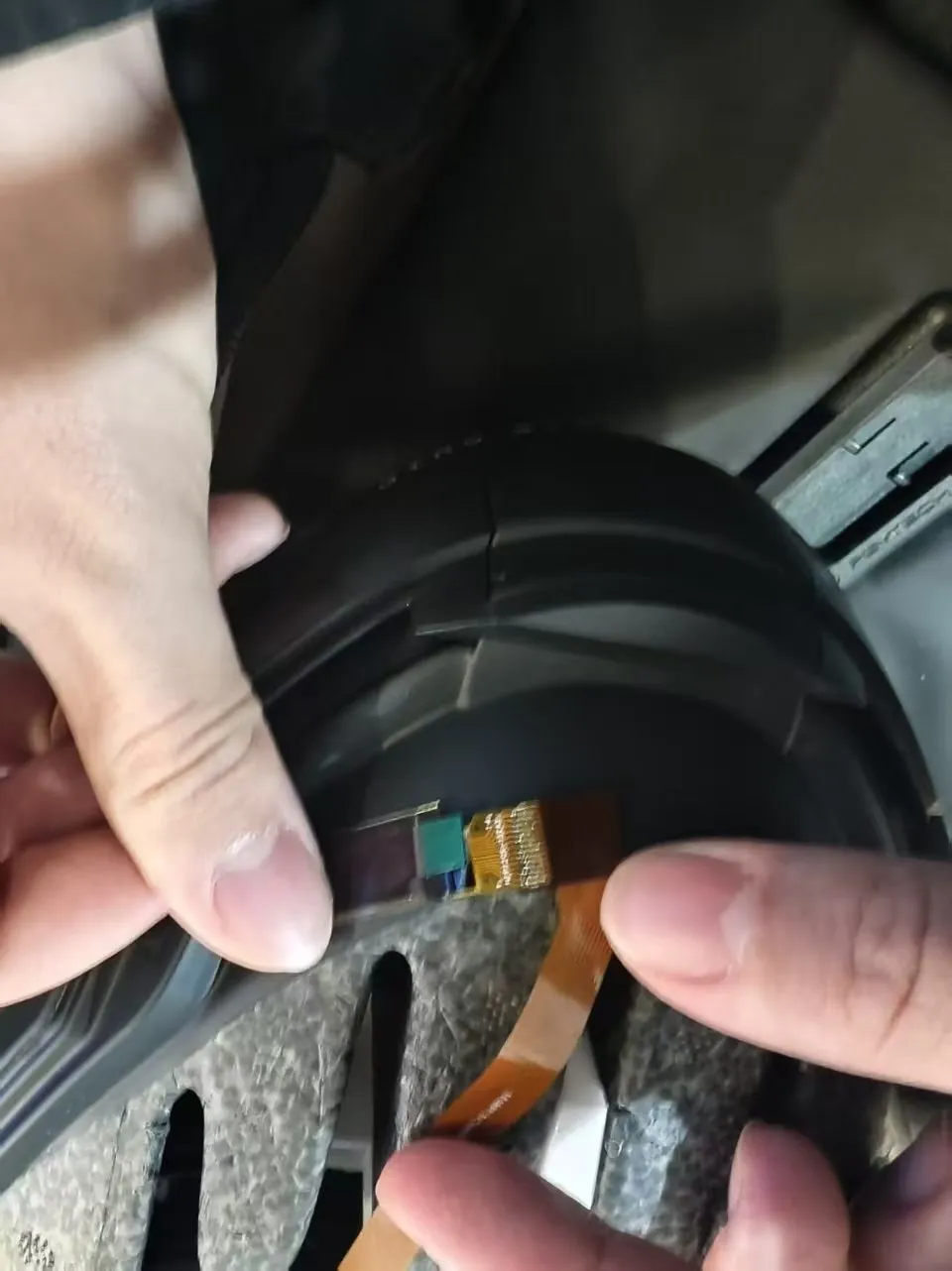
- ESP32 firmware driving a micro-display that projects through a reflective light guide at the edge of the rider’s view.
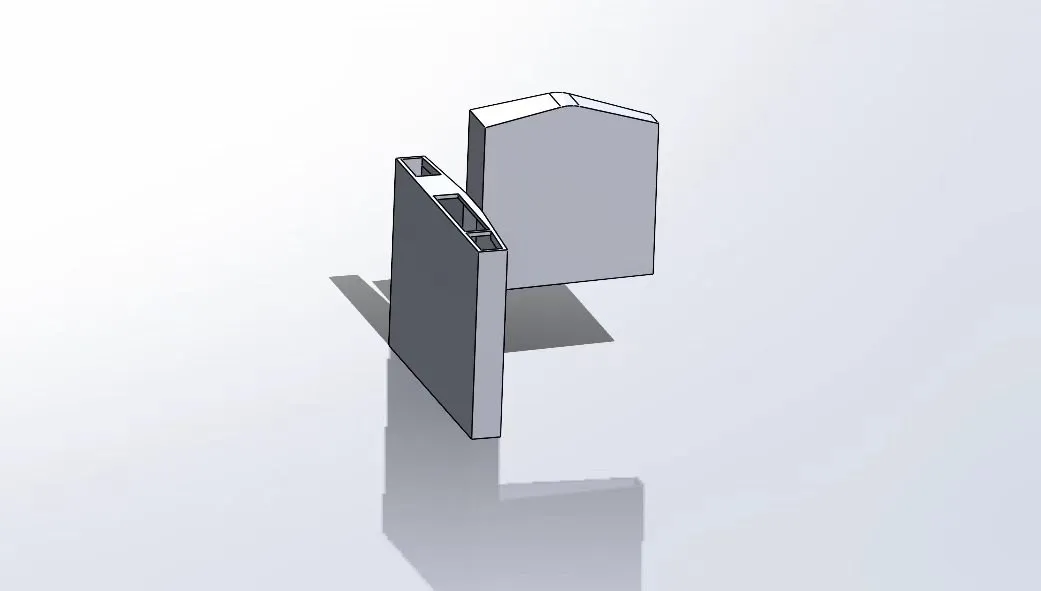
- A custom 3D-printed mounting structure that holds the display without cutting into the helmet’s protective foam.
- The “Rigonomics” posture algorithm: it computes key body angles from IMU and gyroscope data and triggers alerts when posture leaves a safe range.
- LED indicators, collision detection, environmental sensing and handlebar-mounted controls complete the system.
Gallery
“The hardest part of human-centered engineering is not the technology but the trade-offs — visibility vs. bulk, functionality vs. safety, alert intensity vs. attentional load — and each can only be resolved by continuing to watch real riders.”